
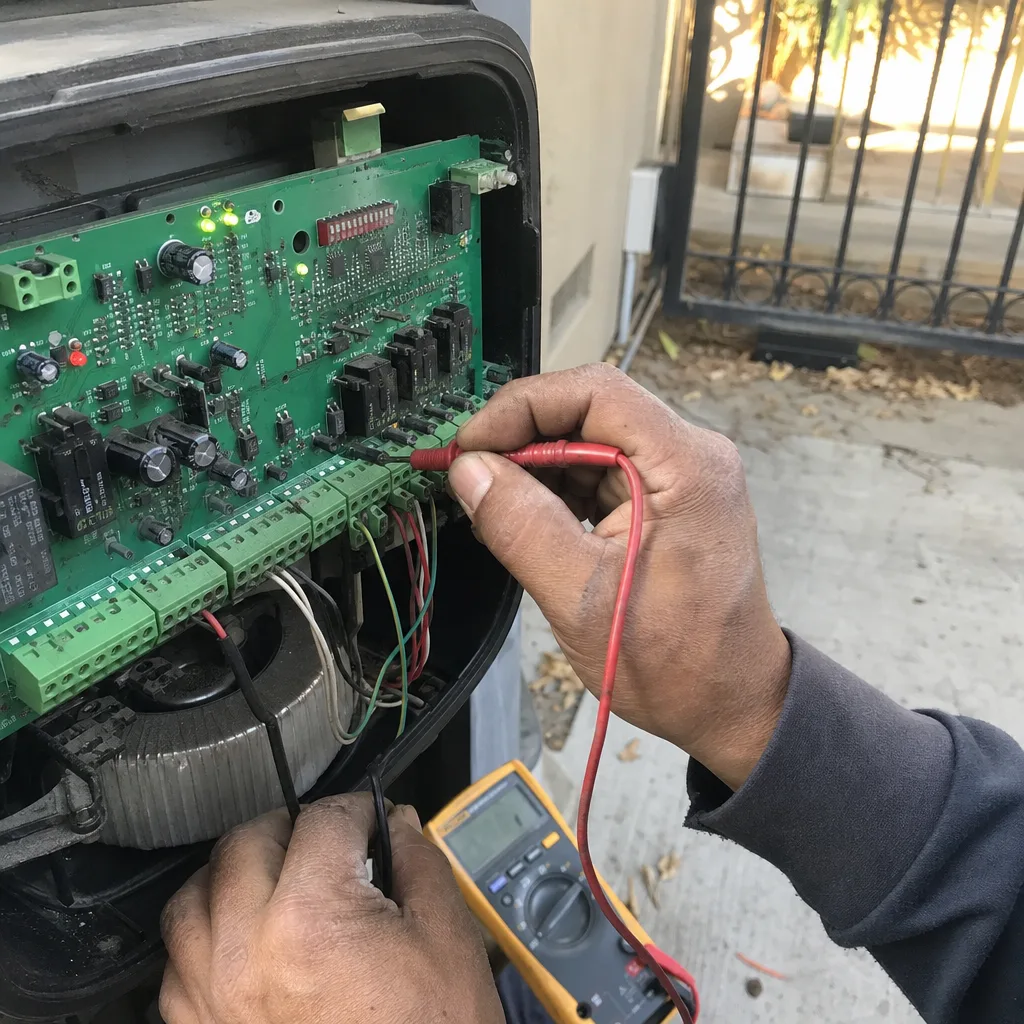
Last updated November 2, 2026
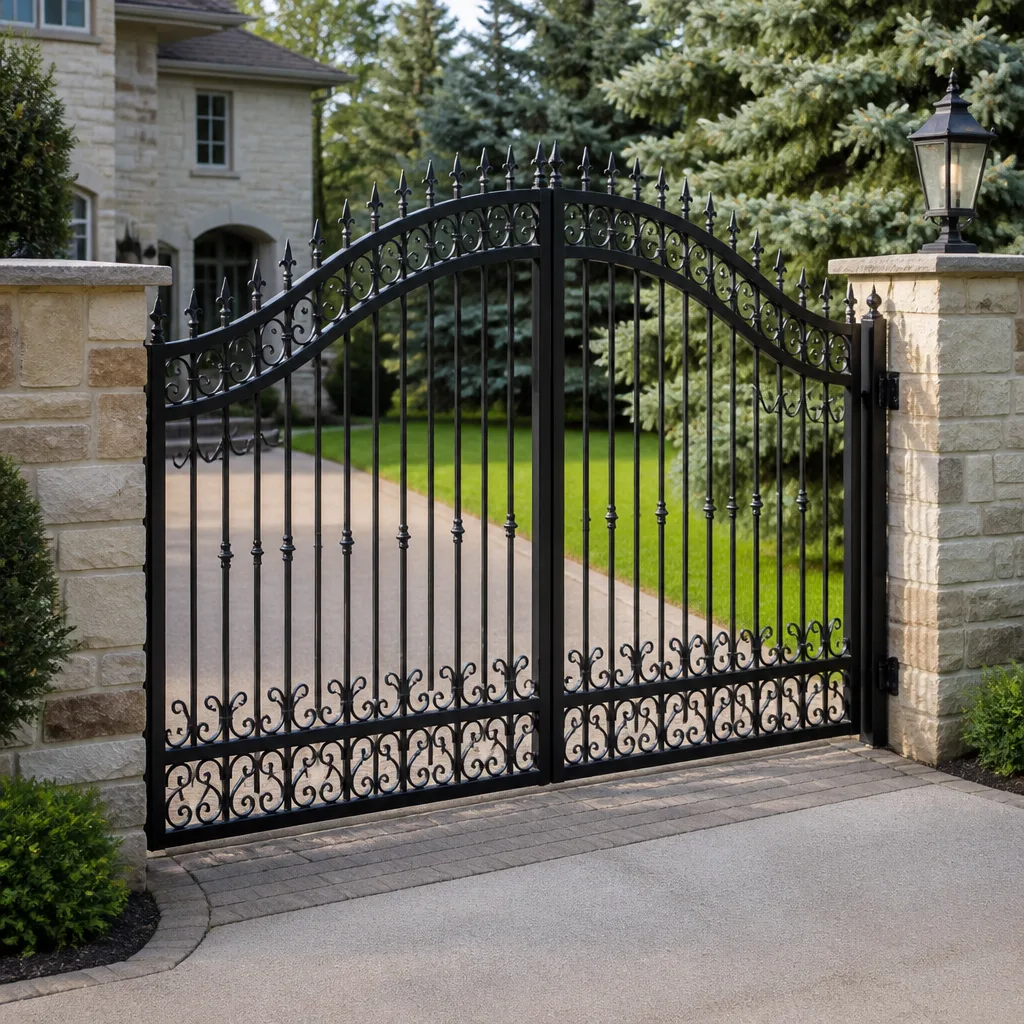 Wrought iron
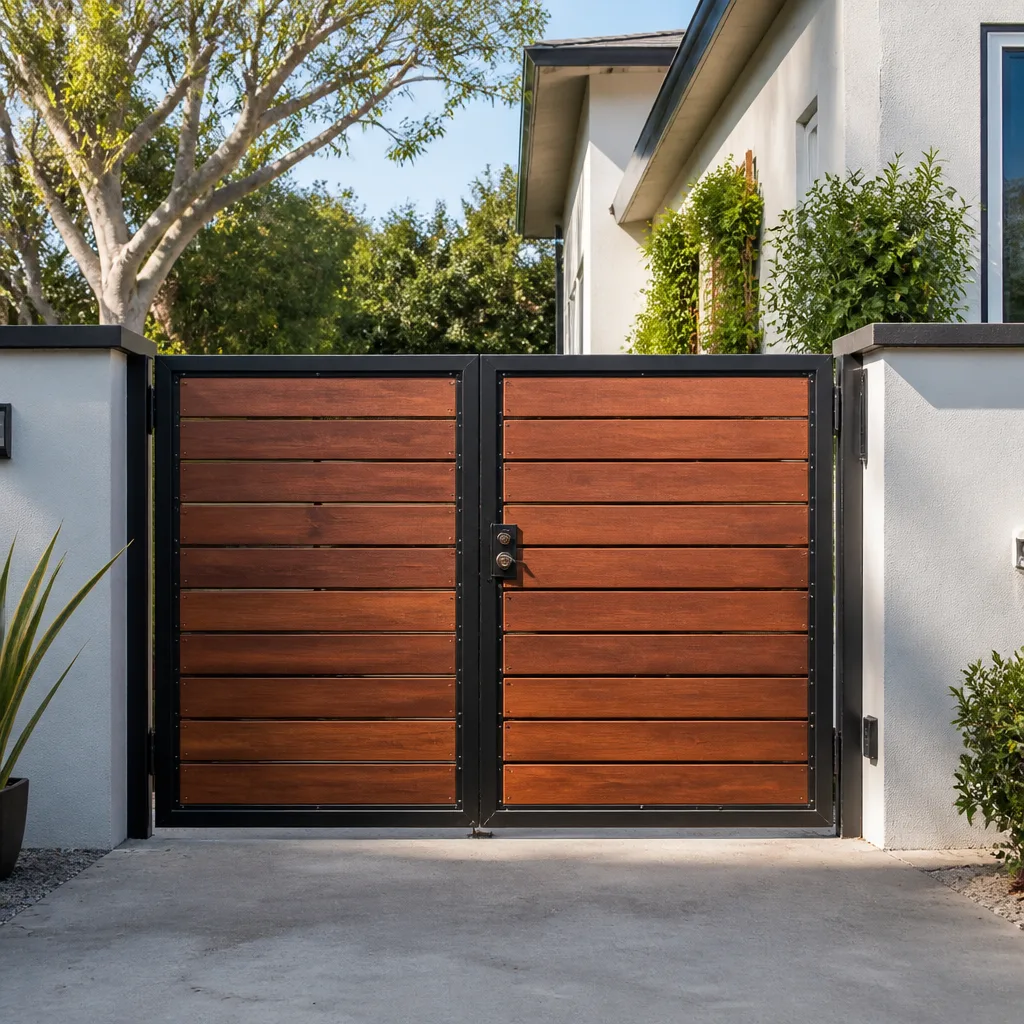 Wood & steel frame
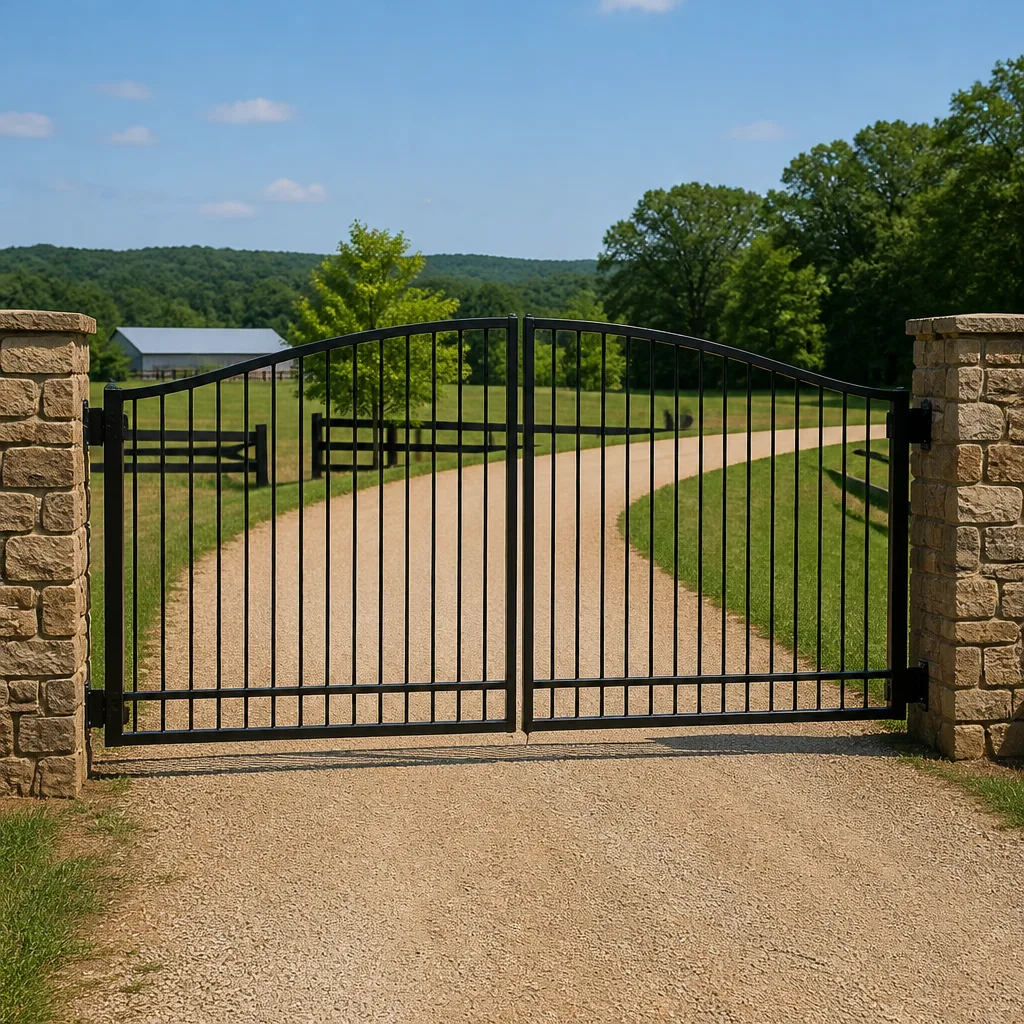 Farm & ranch
 Sliding driveway gates
 LiftMaster operators
Free on-site gate assessment - hinges, posts, and your LiftMaster or Nice gate operator checked before anything is quoted
The assessment is free and the quote is the invoice.
Get your free estimateGate Repair Permits, Codes & Inspections in CA: What You Need to Know
Here’s a fact that surprises most California homeowners: the gate operator bolted to your driveway is regulated by a federal safety standard, your city’s municipal code, and possibly a private HOA contract, and all three sets of rules apply at the same time. Most people in Almaden don’t discover which framework governs their gate until an inspector refuses to sign off, a buyer’s title company flags an unpermitted installation, or an insurance adjuster starts asking questions after an accident. This guide explains exactly when a gate repair needs a permit, what UL 325 actually requires of residential operators, how San Jose’s municipal code treats gates in Almaden, and what paperwork you should demand from any contractor who touches your system. For hands-on help, explore our Gate Repair services.
Quick Answer
Whether a gate repair in California requires a permit depends on what’s being replaced: like-for-like replacement of an operator, hinge, or control board typically does not require a permit, but relocating a gate, installing a brand-new automatic opener on a previously manual gate, or adding a pedestrian gate into an existing fence usually does. Every powered gate must comply with UL 325 entrapment protection standards regardless of whether a permit was pulled. In Almaden, you’re under San Jose’s municipal code, and if you live in an HOA-governed neighborhood, your CC&Rs may add a fourth layer of approval before you touch anything visible from the street.
Styles & brands we work with
- Wrought iron
- Wood & steel frame
- Farm & ranch
- Sliding driveway gates
- LiftMaster operators
Table of Contents
- The Three Frameworks That Govern Your Gate in Almaden
- UL 325 Explained: What It Actually Mandates for Residential Gates
- When Gate Repair Triggers a Permit (and When It Doesn’t)
- Like-for-Like Replacement: What That Phrase Actually Means
- How San Jose Municipal Code Applies to Almaden Gates
- HOA Gate Rules: The Fourth Layer That Can Override City Code
- What Documentation You Need After Permitted Gate Work
- Common Mistakes to Avoid
- When to Call a Professional
- Frequently Asked Questions
The Three Frameworks That Govern Your Gate in Almaden
California gate regulation is not a single codebook. It’s three stacked layers, and each one answers a different question. The first layer is UL 325, a national safety standard published by Underwriters Laboratories that applies to every automatic gate operator sold or installed in the United States since 2000. UL 325 is not a law in the traditional sense, but it carries the force of one because municipal codes all over California reference it directly, and because insurance companies use it as the baseline for liability determinations. The second layer is local municipal code, which for Almaden means the City of San Jose’s adopted building codes, including the California Building Code, the California Electrical Code, and various San Jose Municipal Code chapters that govern fences, walls, and gate setbacks. The third layer is private contract law in the form of HOA CC&Rs, Covenants, Conditions, and Restrictions, which can be stricter than city code and which apply even when a city inspector never gets involved.
These three frameworks overlap constantly, and the overlap creates confusion. A homeowner might pull a city permit for a new automatic gate, pass inspection, and still be in violation of their HOA’s architectural control rules because they never submitted the design for HOA approval. Or a contractor might replace a failed operator with a like-for-like model and tell the homeowner no permit is needed, which is often true, but then wire it incorrectly so the photo eyes are bypassed, violating UL 325 and creating an entrapment hazard that no inspector ever sees. We work on gates in Almaden every week, and roughly one in five service calls reveals a code or safety issue that the homeowner didn’t know existed. The gate opens and closes, so they assume it’s compliant. That assumption is exactly what this guide is designed to correct.
A malfunctioning gate is more than an annoyance. It’s a security exposure and, in the case of powered operators, a potential liability. A gate that fails closed traps vehicles. A gate that fails open defeats the entire reason it was installed. And an operator without working entrapment protection can injure a child or a delivery driver, at which point the question stops being about convenience and becomes about who is legally responsible. The answer in most cases is: the property owner.
UL 325 Explained: What It Actually Mandates for Residential Gates
UL 325 is the safety standard for automatic gate operators, and every residential operator installed in California, whether it’s a LiftMaster, FAAC, BFT, Linear, Viking, Ghost Controls, DoorKing, Elite, or Mighty Mule, must comply with it. The standard’s core requirement is simple: an automatic gate must not be able to crush, pinch, or entrap a person. The mechanism for achieving that is called entrapment protection, and UL 325 recognizes two categories: inherent and external.
Inherent entrapment protection is built into the operator itself. The most common form is a reversing mechanism that detects resistance, such as a current-sensing circuit that tells the motor to stop and reverse if it encounters an obstruction. Some operators also include a speed limiter or a clutch system. External entrapment protection is a separate device installed on the gate or the surrounding structure. The two most common external devices are photo eyes, which project an infrared beam across the gate opening and reverse the gate if the beam is interrupted, and contact edges, which are pressure-sensitive strips mounted on the leading edge of the gate that reverse the gate when physically pressed. UL 325 also mandates specific locations for entrapment protection on different gate types. A sliding gate requires protection at the open and close directions, at the area where the gate travels past fixed objects like posts and walls, and at pinch points. A swing gate requires protection at the open and close directions and at the hinge area, which is a pinch point in every installation.
Here’s what many homeowners in Almaden miss: UL 325 compliance is not a one-time event. It degrades. Photo eyes get knocked out of alignment. Contact edges crack in summer heat. The reversing circuit in an older operator can drift out of calibration. A gate that passed its original UL 325 installation is not necessarily still compliant five years later, and a gate that was installed before 2000 almost certainly isn’t compliant at all unless it’s been retrofitted. If you own a pre-2000 home in Almaden with an original automatic gate operator, the responsible answer is to have the system evaluated by a gate specialist who can tell you whether the entrapment protection meets current standards. The upgrade is usually less expensive than the liability.
The practical takeaway: any time a powered gate is serviced, the technician should test every entrapment protection device on the system, not just the component the homeowner called about. At Gate Repair in Almaden, every electric gate repair includes a full safety check on the operator, photo eyes, and contact edges. If a device fails, we tell the homeowner what it will cost to replace and why it matters, before we ever quote the cosmetic or mechanical work they originally called about.
When Gate Repair Triggers a Permit (and When It Doesn’t)
Here is the rule of thumb, stated as clearly as the California Building Code allows: repairs that restore a gate to its original, approved condition generally do not require a permit. Replacements that change the gate’s location, size, height, electrical load, or method of operation generally do. The line gets drawn at whether the work is classified as a repair or as an alteration.
A repair replaces a failed component with a new component that serves the same function. If your gate hinge snaps and a new hinge goes in the same location, that’s a repair. If your operator control board fails and a new board is installed in the same housing, that’s a repair. If a vinyl gate slat cracks and a matching slat is swapped in, that’s a repair. None of these trigger a permit requirement under San Jose’s interpretation of the California Building Code, and none of them require an inspection. A repair means the gate was compliant before the failure and remains compliant after the fix. The work restores the status quo.
An alteration changes what the gate is or how it behaves. Adding an automatic operator to a gate that was previously opened by hand is an alteration, and it requires an electrical permit and a final inspection. Widening the gate opening from a single driveway gate to a double gate is an alteration, and it requires a building permit because it changes the structural load and possibly the setback from the property line. Installing a new pedestrian gate in an existing fence is technically new construction and follows the same permit path as any fence modification. Raising the height of a gate above what the original approval allowed is an alteration. Moving a gate post more than a few inches is an alteration. In every one of these cases, the work requires a permit from the City of San Jose, and in many cases, the gate itself must comply with specific setback requirements from sidewalks, streets, and neighboring property lines.
The short version for Almaden homeowners:
- Replacing a broken hinge, wheel, track, or latch: no permit.
- Replacing a failed operator with a like-for-like unit: no permit, but proper UL 325 entrapment protection must be maintained.
- Replacing a control board with the same model: no permit.
- Adding an operator to a manually operated gate: permit required.
- Changing the gate’s size, height, or location: permit required.
- Installing a new pedestrian gate in a fence: permit usually required.
- Replacing an old operator with a different model that changes the electrical load or the mounting configuration: possibly a permit, depending on the scope.
The gray zone is that last bullet. If a new operator draws more current and requires a new circuit, that electrical work falls under the California Electrical Code and needs an electrical permit. If the operator is the same voltage and amperage class, many inspectors would consider it a like-for-like swap. The safest path when you’re unsure is to call the City of San Jose’s building department directly and ask, or to work with a gate contractor who knows which questions to ask. We do this every week for our Almaden clients, because getting it wrong on the front end is much more expensive than a five-minute call.
Like-for-Like Replacement: What That Phrase Actually Means
Like-for-like replacement is the term building departments use to describe a component swap that does not alter the gate’s approved design. The phrase sounds simple, but it causes more confusion in California gate work than any single code concept. Here’s what it actually means in practice, based on the way San Jose’s inspectors have interpreted it over the years:
- Same function, same operation. The new part must perform the same job as the old part. A 1/2 horsepower operator replaced by a 1/2 horsepower operator is like-for-like. A manual gate replaced by an automatic gate is not, under any definition.
- Same or smaller electrical demand. The new component cannot draw more current or require a different circuit than the old one. If the old operator ran on a 110-volt circuit and the new one requires 220 volts, that’s an alteration, not a replacement.
- No structural changes. The mounting points, post locations, and gate geometry must stay the same. If the new operator requires re-drilling the post or adding a mounting bracket that changes how force is transmitted, an inspector might consider that an alteration.
- Safety features preserved. The new operator must retain the same entrapment protection devices that the old system had, and those devices must function. You cannot replace a UL 325-compliant operator with a non-compliant unit and call it like-for-like.
In Almaden, we see a lot of gates that were originally installed by a fencing contractor or a general contractor who treated the gate as an afterthought. The operator is generic, the wiring is undersized, and the entrapment protection was never properly configured. When that operator fails, the like-for-like question gets complicated, because the original installation wasn’t code-compliant to begin with. Replacing a non-compliant operator with another non-compliant operator restores the gate to its previous condition, but it does not make the gate legal. The responsible fix is to bring the entire system to current code, which usually means adding photo eyes, installing a proper electrical circuit, and sometimes upgrading the gate hinges to handle the operator’s force. This is exactly the kind of situation where working with a gate specialist, not a generalist, saves money in the long run; for step-by-step diagnostics, see our Gate Repair Troubleshooting: Common Problems and How to Fix Them. We identify these issues during the estimate, so the homeowner is making an informed choice rather than discovering a problem after the operator is bolted in.
How San Jose Municipal Code Applies to Almaden Gates
Almaden sits within the city limits of San Jose, which means gate installations and alterations in the area are governed by the City of San Jose’s adopted building codes and the San Jose Municipal Code. The most relevant chapters for gate work are Chapter 24.08, which covers fences, walls, and hedges, and the city’s adoption of the California Building Code and California Electrical Code. Here are the practical points that affect gate work specifically:
- Setback requirements. San Jose restricts how close a gate can sit to the sidewalk and street line, especially in residential zones. A gate that swings outward over the public right-of-way is almost always a violation, because the gate leaf crosses onto city property or the sidewalk. This is a common problem in older Almaden neighborhoods where original gates were installed before current setback rules were codified.
- Height limits. Residential gates in front yards are generally limited to 3 feet in height when they’re within the required front setback, with higher gates allowed only when they’re set back further from the street. This trips up homeowners who want a tall privacy gate at the driveway and don’t realize the front-yard height limit applies differently than the side or rear yard limits.
- Electrical permits. Any gate operator installation or electrical modification requires an electrical permit and inspection. The electrical inspector will check the circuit, the disconnect means, the grounding, and the UL 325 entrapment protection devices. This inspection is separate from any building permit for the gate structure itself.
- Pedestrian access. San Jose requires that any driveway gate installation include a separate pedestrian gate or a designated pedestrian access point if the driveway gate is the only way into the property through that fence. A single automatic driveway gate with no walk gate next to it will not pass inspection in most residential applications.
The Almaden-specific reality is that many homes in the area predate current gate code. A gate that’s been standing for 25 years may not meet today’s setback requirements, and when that gate needs major work, the homeowner is sometimes surprised to learn that an alteration triggers a requirement to bring the whole installation to current code. A repair does not, which is another reason the repair-versus-alteration distinction matters. If the old gate needs a new operator and nothing else changes, the city will generally treat it as a repair. If the homeowner wants to widen the gate, raise it, or add an operator where none existed before, the city will require the alteration to meet current code, which may mean moving the gate back from the street line or adding a pedestrian gate that wasn’t there before.
HOA Gate Rules: The Fourth Layer That Can Override City Code
Almaden has a substantial number of HOA-governed communities, and in those neighborhoods, the HOA’s CC&Rs add a fourth regulatory layer that sits on top of UL 325, state code, and city code. HOA rules are private contract law, which means they can be stricter than city code, and violating them can trigger fines, liens, and lawsuits even if the city never objects. Here’s how HOA gate rules typically interact with the other frameworks:
- Architectural approval. Most HOA CC&Rs in Almaden require homeowners to submit gate designs, materials, colors, and operator specifications to an architectural review committee before any work begins. This applies to new gates, gate alterations, and in some HOAs, even to visual changes like repainting. The approval is separate from and additional to any city permit.
- Material and style restrictions. HOAs frequently mandate specific gate materials, such as wrought iron or aluminum, and prohibit others, such as chain-link or wood. A homeowner can pull a perfectly valid city permit for a wood gate and still be in violation of HOA rules that require a matching iron gate.
- Visibility and color requirements. Some HOAs require gates to match the fence color, to be a specific height, or to remain partially see-through for aesthetic consistency. These rules sometimes contradict what a homeowner would prefer, and occasionally contradict what city code would otherwise allow.
- Maintenance obligations. A growing number of HOA CC&Rs include language requiring homeowners to keep gates in good working order and to repair non-functioning operators within a specified timeframe. A gate that sits broken for months can be an HOA violation even if it’s not a city code violation.
The conflict point that catches homeowners off guard is when HOA rules and city code point in different directions. A homeowner wants a taller gate for privacy. The HOA says no gates above 6 feet. The city would allow 6 feet. The HOA rule controls, because private contracts can be more restrictive than public code. Or the opposite: a homeowner wants a fully solid privacy gate, the HOA approves it, and then the city flags it because the gate blocks sight lines at the driveway exit. The city controls in that case, because public safety code overrides private approval. When we install gates in HOA-governed parts of Almaden, the first thing we tell clients is to get the HOA’s written approval in hand before we schedule the work. Verbal approval from a neighbor on the architectural committee is not worth the paper it isn’t printed on.
What Documentation You Need After Permitted Gate Work
When gate work does require a permit, the paperwork is part of the deliverable, and homeowners who don’t collect it create problems for themselves down the line. Here’s what you should walk away with after any permitted gate installation or alteration in Almaden, and why each document matters:
- The signed permit and inspection card. The city issues a permit when the application is approved, and the inspector signs the card after each required inspection. The final signed card is proof that the work passed. Keep it with the house records, because title companies ask for it during a sale.
- Certificate of completion. Some permitted projects require a final certificate of completion from the building department. This is the document that closes the permit record. Without it, the permit stays open, and an open permit is a red flag during escrow.
- UL 325 compliance documentation from the operator manufacturer. The operator’s manual includes installation instructions and entrapment protection requirements. The contractor should leave the manual behind and, ideally, provide a written statement confirming that the installation was completed per UL 325 and the manufacturer’s specifications.
- Electrical permit sign-off. If the project included electrical work, the electrical inspector’s sign-off is separate from the building inspector’s. Both need to be final before the permit is closed.
- Manufacturer registration. Many operator manufacturers, including LiftMaster, FAAC, BFT, Linear, Viking, Ghost Controls, DoorKing, Elite, and Mighty Mule, require or encourage product registration for warranty purposes. The contractor should provide the serial number and, if applicable, register the product.
- Written invoice describing the scope. Even for non-permitted repairs, a detailed invoice that lists the components replaced, the model numbers, and the work performed is important. It establishes what was done and by whom, which is exactly what an insurance adjuster or a warranty claim will want to see later.
For resale specifically, the documentation that matters most is the final signed inspection card and the closed permit record. When a buyer’s title company runs a permit history search on an Almaden property, any open permit or unpermitted gate alteration will surface, and the seller will be asked to resolve it before escrow closes. Resolving an open permit on a gate that was installed five years ago by a contractor who’s no longer in business is a headache that costs real money. The homeowner who kept the signed inspection card and the invoice avoids that entire process. This is one area where Gate Installation in Almaden clients consistently tell us the organized paperwork is as valuable as the gate itself, especially in the higher-turnover neighborhoods around Almaden Valley where homes change hands every five to seven years.
Common Mistakes to Avoid
- Assuming a working gate is a compliant gate. A gate can open and close perfectly while its photo eyes have been bypassed or its contact edge is dead. Compliance is about what happens when something goes wrong, not about smooth operation. Get the safety devices tested by a professional who knows what UL 325 requires.
- Treating the operator swap like a lightbulb change. Replacing a failed operator with a different brand or model is not automatically like-for-like. If the new unit draws more current, needs a different mounting configuration, or requires a different circuit, you may have crossed from repair into alteration territory, and the city will want a permit.
- Skipping HOA approval because the city already signed off. City approval and HOA approval are separate processes with separate criteria. A city inspector will never check your CC&Rs. An HOA architectural committee will never check your permit. You need both, and getting one does not excuse the other.
- Hiring a generalist who treats the gate as an add-on. Gates are not fences with hinges. A powered gate is an electromechanical system with safety standards, electrical requirements, and brand-specific components. A contractor who installs fences and occasionally wires a gate operator is not the same thing as a gate specialist who works on Viking controls or Ghost Controls systems every week.
- Ignoring entrapment protection on an older gate. If your Al,maden home’s automatic gate operator was installed before 2000, the odds are high that it does not meet current UL 325 entrapment protection requirements. The gate may function, but the liability exposure is real, and a retrofit is far cheaper than a lawsuit.
- Losing the permit paperwork. An open permit or a missing final inspection card becomes a title problem at resale. Keep the signed inspection card, the invoice, and the operator manual in the same file as the property survey and the water heater receipt.
- DIY-ing the operator wiring. Automatic gate operators involve line voltage, low-voltage control circuits, and safety sensor wiring. A miswired photo eye or a bypassed reversing circuit creates an entrapment hazard, and if someone is injured, the homeowner’s insurance may deny the claim on the grounds that unlicensed electrical work caused the loss. Leave the wiring to a licensed professional.
When to Call a Professional
A few gate problems are genuinely fine to handle yourself, like tightening a loose hinge bolt or lubricating a squeaky wheel. But any repair that involves the operator, the control board, the keypad, the intercom, the photo eyes, the contact edges, or the line-voltage electrical supply should be handled by a professional, both for safety reasons and because a mistake can void the operator’s warranty or create a code violation you won’t discover until an inspector or an adjuster points it out. If your gate is making grinding noises, reversing unexpectedly mid-cycle, failing to close all the way, or tripping a breaker, those are symptoms that warrant a diagnostic visit. If you’re adding an operator to a manual gate, widening a gate, or installing a pedestrian gate next to an existing driveway gate, you need a contractor who knows the permit path and can handle the paperwork correctly the first time. Electric Gate Repair in Almaden handles operators, control boards, keypads, intercoms, and safety sensors on all major brands. Gate Repair Almaden offers free estimates in Almaden. Call (833) 620-6313.
Frequently Asked Questions
If you’re replacing a failed operator with a like-for-like unit that draws the same or less electrical current and mounts to the same points, no permit is required in San Jose. If you’re adding an operator to a previously manual gate, or if the new operator requires a new electrical circuit or changes the gate’s operation, a permit is required. When in doubt, call the City of San Jose building department and describe the scope, or have a gate specialist evaluate the situation. Call (833) 620-6313 for a free estimate, and we’ll tell you whether your project needs a permit before you commit.
UL 325 is the safety standard that requires automatic gate operators to include entrapment protection so the gate cannot crush or pin a person. It applies to every residential automatic gate operator installed in California, regardless of brand, age, or whether a permit was pulled. Entrapment protection typically includes a reversing mechanism, photo eyes, contact edges, or a combination of these devices, depending on the gate type.
Yes, depending on the language in your CC&Rs. Many HOA-governed communities in Almaden require architectural review committee approval for any visible change to a gate, including replacement gates, repainting, or adding an operator. Even a repair that doesn’t require a city permit can require HOA approval if your CC&Rs say so. Read the documents, or ask the HOA management company directly before work starts.
If the work required a permit at the time and one was never pulled, the installation is unpermitted. Unpermitted work becomes a title issue during a sale, and it can complicate insurance claims if the gate is ever involved in an accident. The fix is usually to pull a retroactive permit and have the installation inspected. If the gate doesn’t meet current code, you may need to bring it up to standard as part of the process.
You should expect a detailed invoice listing the components replaced, their model numbers, and the work performed, at minimum. For permitted work, you should also receive the signed inspection card and, once final, confirmation that the permit record is closed. Keep all of it with your house records. This paperwork is what protects you during a resale or a warranty claim.
Mechanical repairs like tightening hardware or lubricating rollers are generally safe for a handy homeowner. Electrical and operator work is a different story. Automatic gate operators carry line voltage, and the safety sensors, including photo eyes and contact edges, must be wired and calibrated correctly to meet UL 325. A miswired sensor can create an entrapment hazard that no one notices until someone is hurt. Leave the electrical side to a trained professional. Call (833) 620-6313 for a diagnostic visit.
The Bottom Line
California gate regulation is a layered system, and the layer that governs your specific repair depends on what you’re replacing and where you live. Like-for-like component swaps generally fly under the permit radar. Alterations that change the gate’s size, operation, or electrical load generally don’t. Every powered gate, permitted or not, must meet UL 325 entrapment protection standards, and ignoring that requirement creates a liability exposure that insurance may not cover. In Almaden, you’re under San Jose’s municipal code plus whatever your HOA’s CC&Rs demand, and those two rule sets operate independently. The right documentation after permitted work isn’t just bureaucratic housekeeping, it’s the difference between a clean sale and an escrow delay. The old gate stands, the new operator works, the inspector signs, and everyone navigates the driveway with more clarity than they did before. For additional reading, browse more guides & resources.d before.
Written by the team at Gate Repair Almaden home, serving Almaden since 2018.
See the difference
 Before
 After
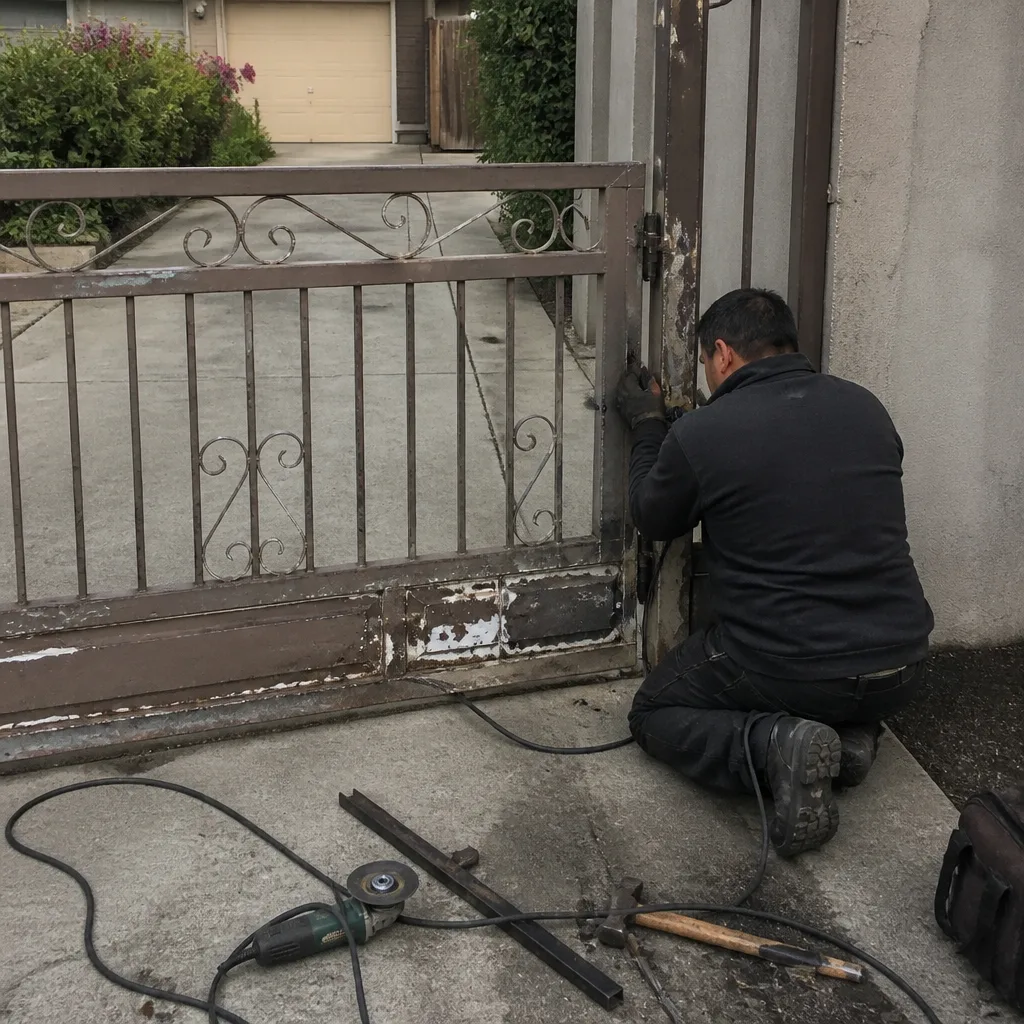 Before
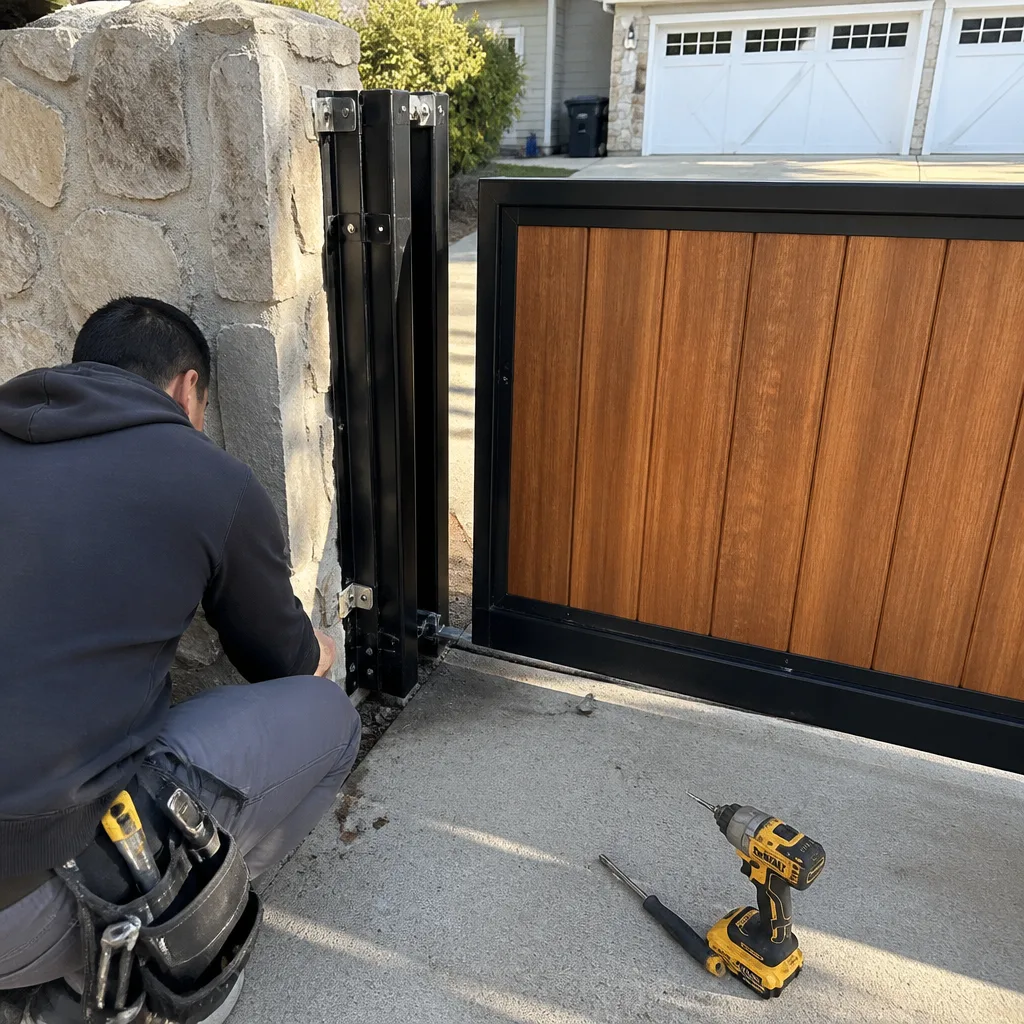 After
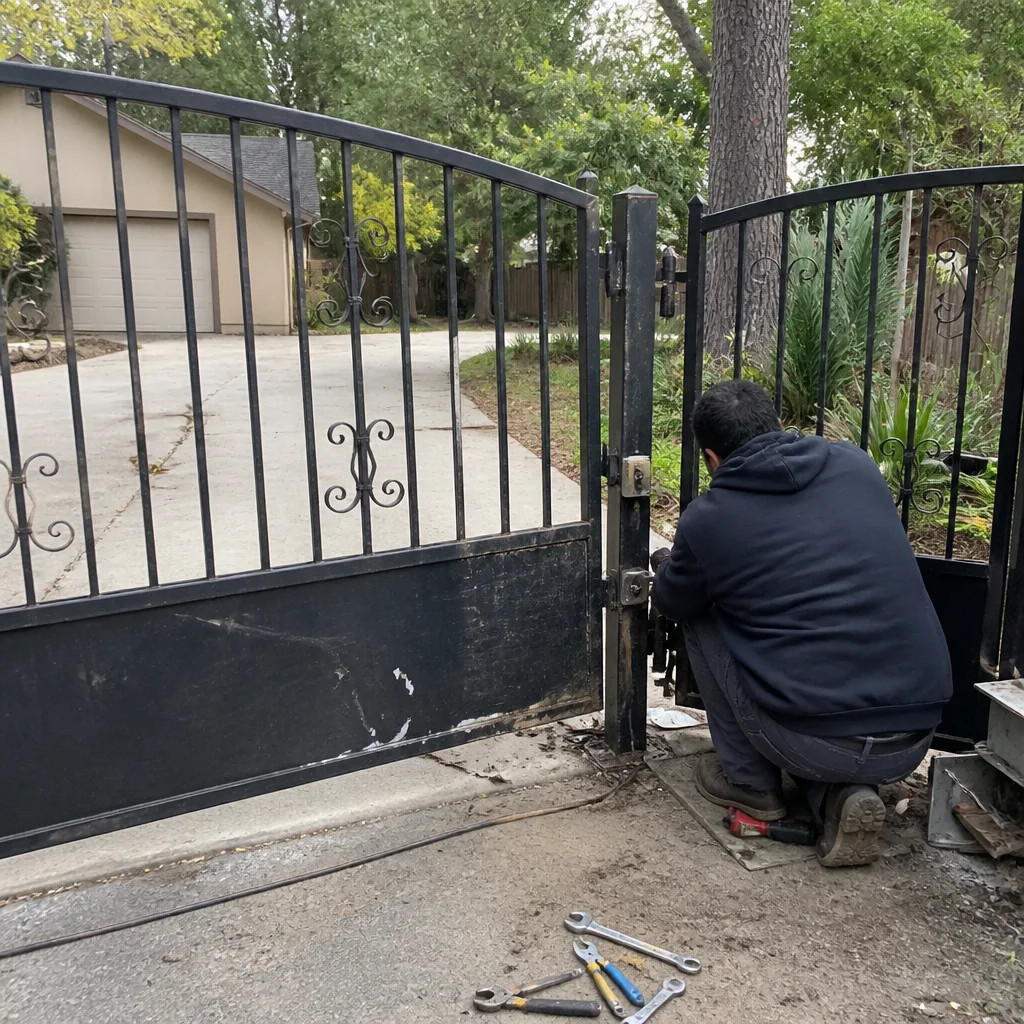 Before
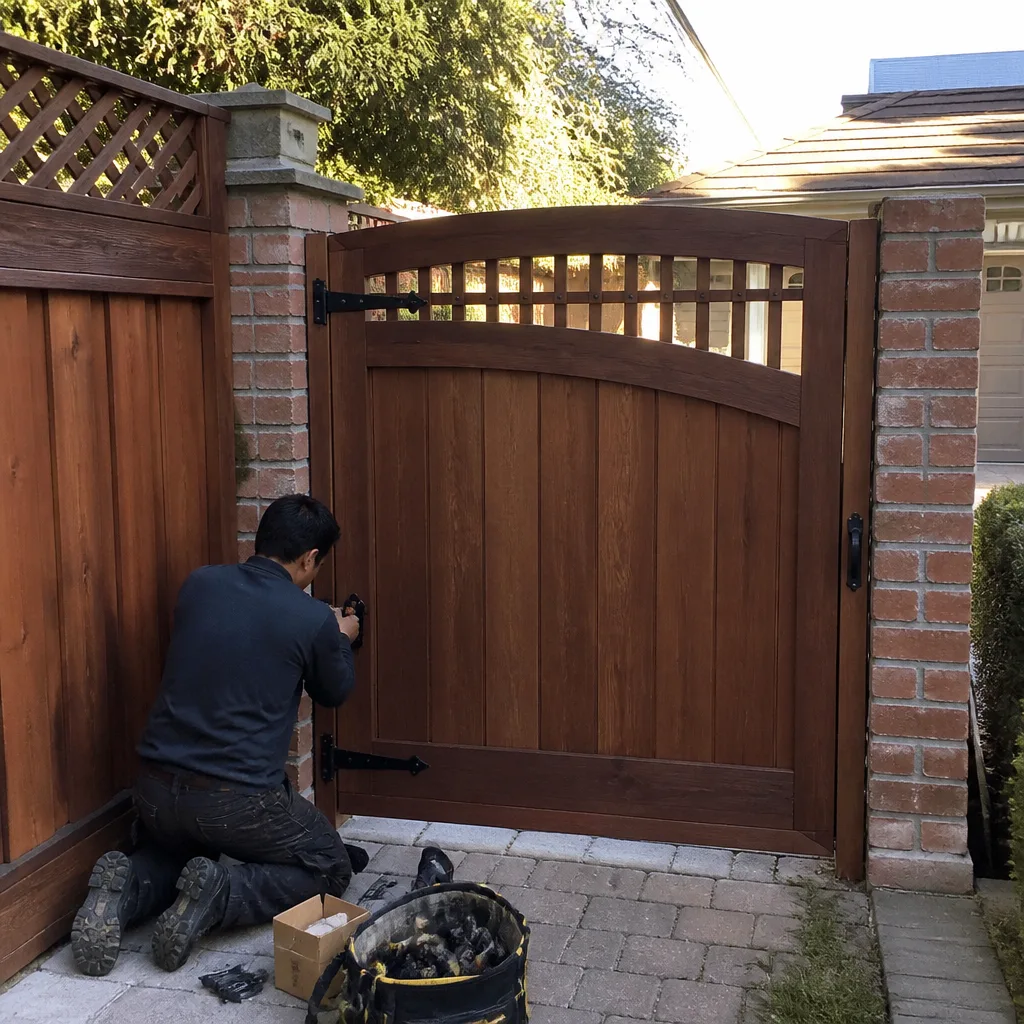 After