
Last updated November 2, 2026
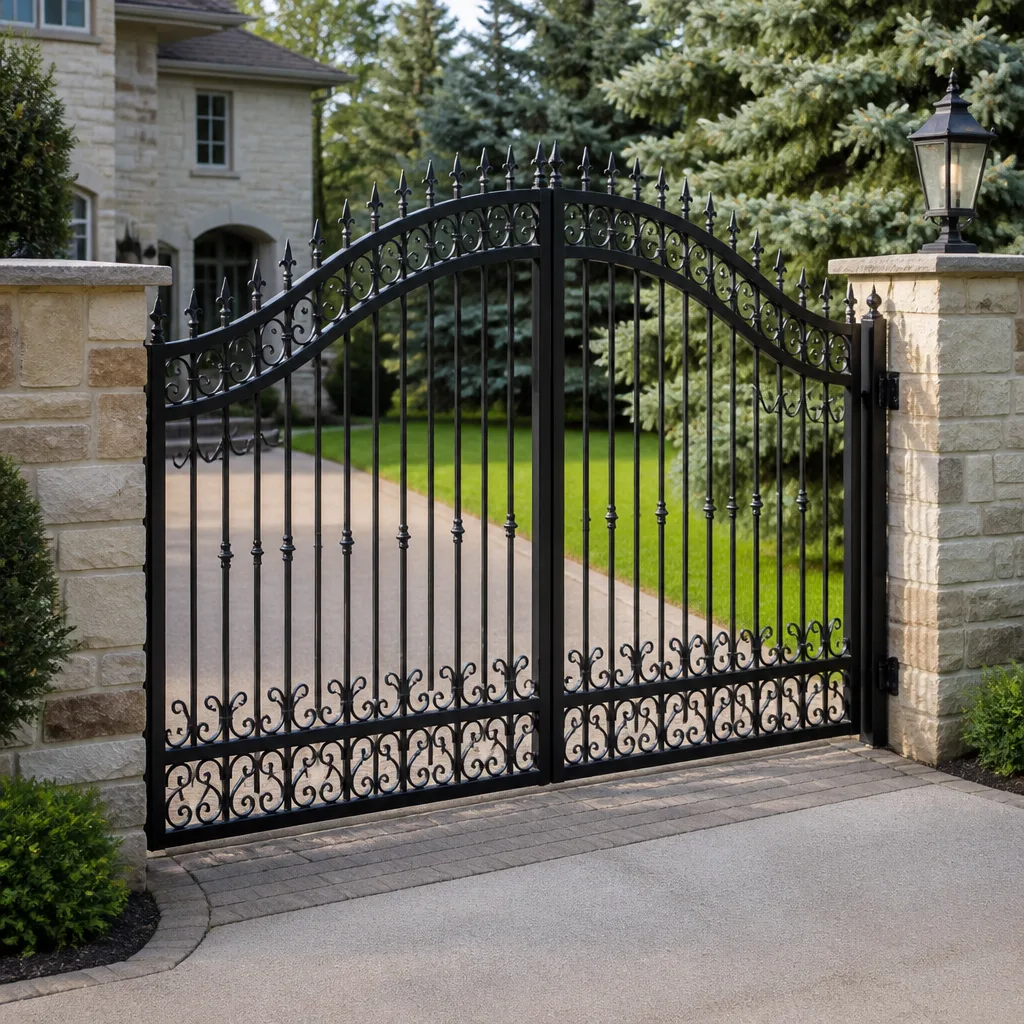 Wrought iron
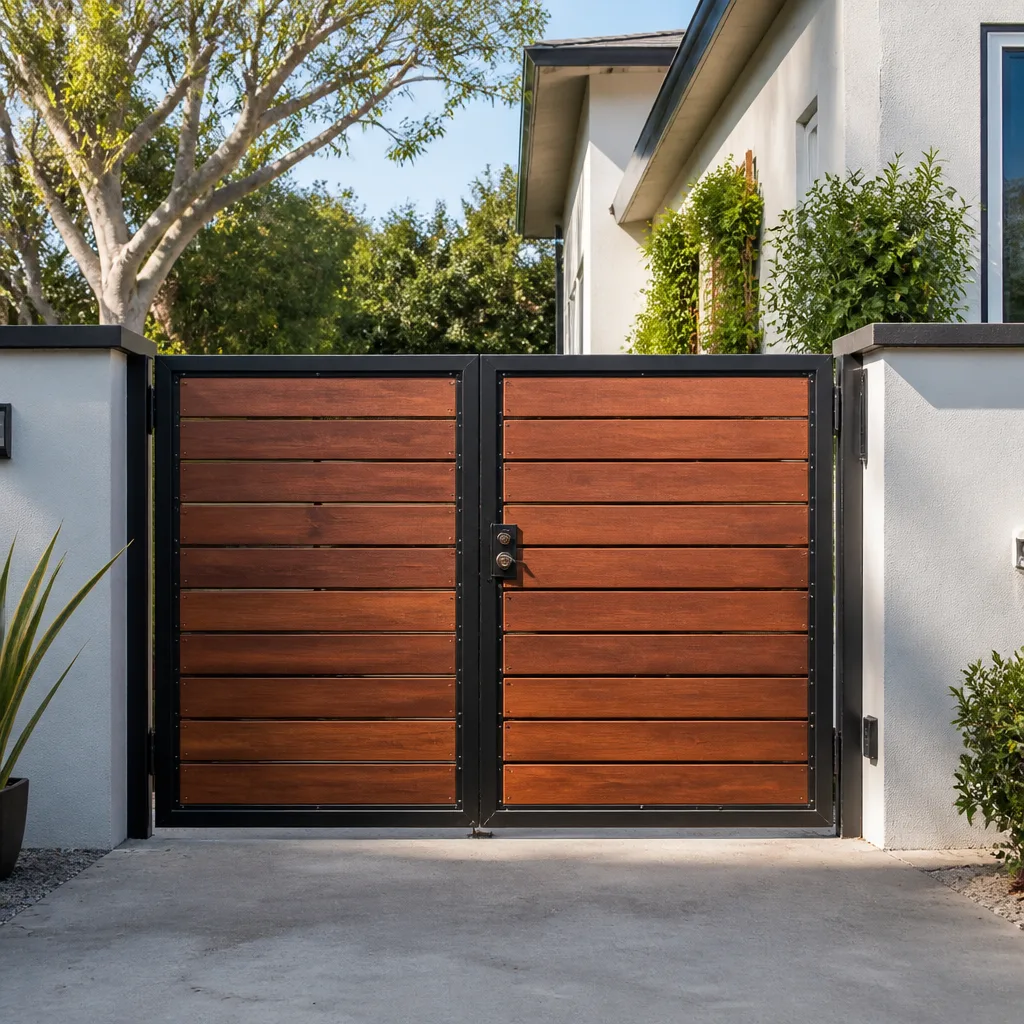 Wood & steel frame
 Farm & ranch
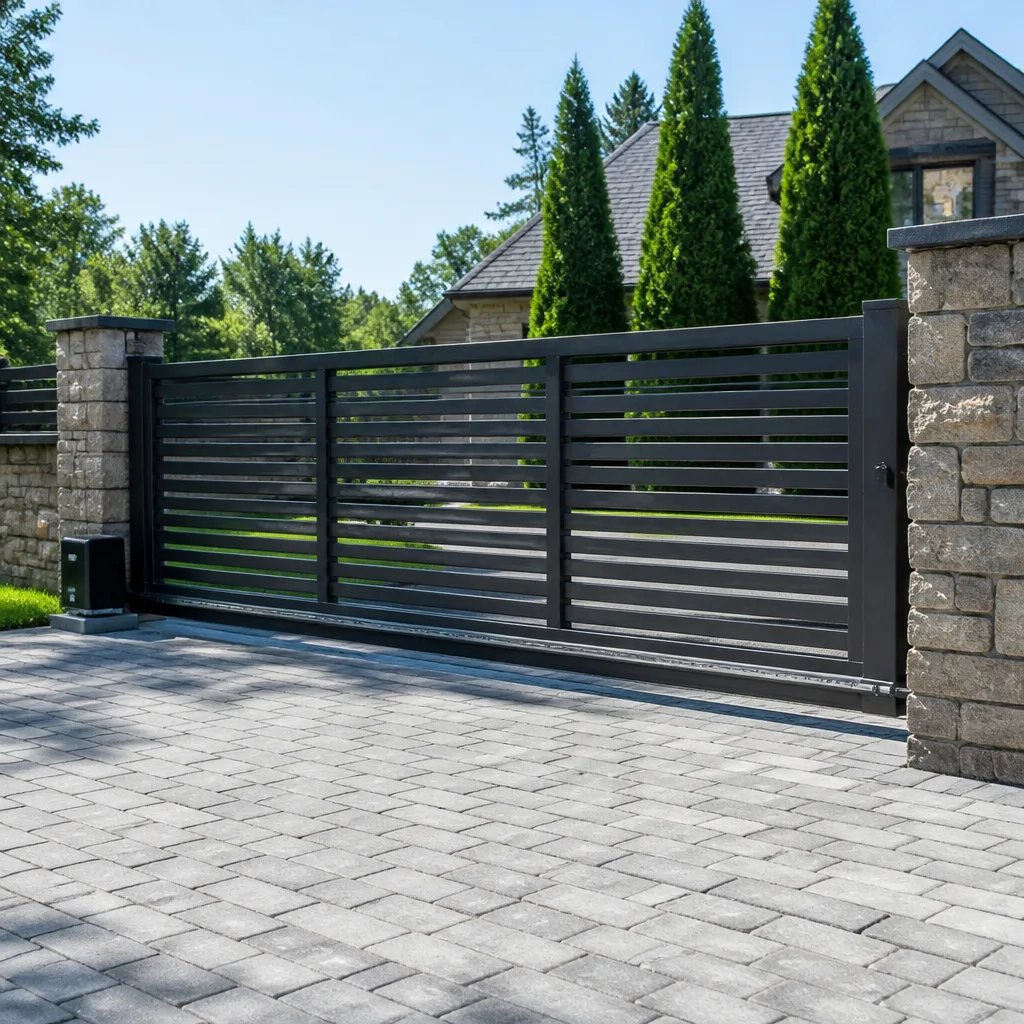 Sliding driveway gates
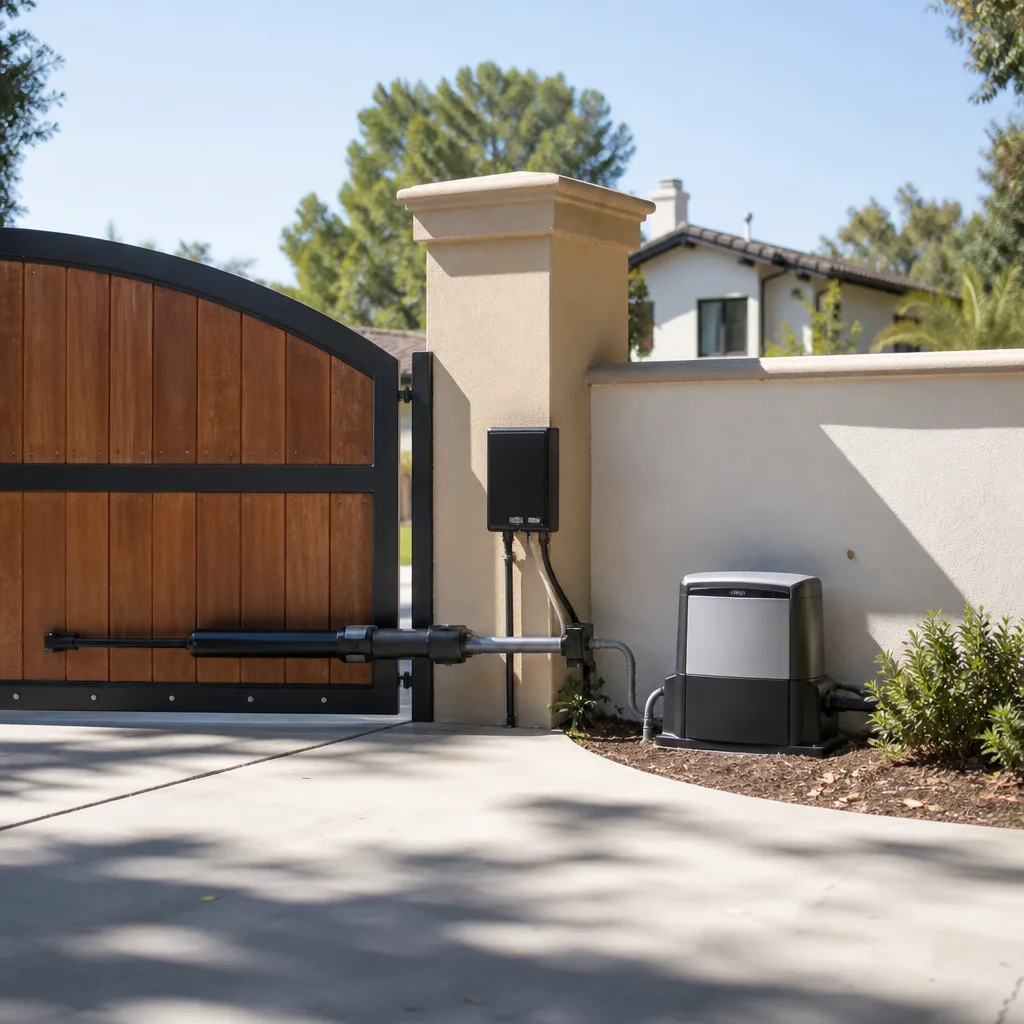 LiftMaster operators
Free on-site gate assessment - hinges, posts, and your LiftMaster or Nice gate operator checked before anything is quoted
The assessment is free and the quote is the invoice.
Get your free estimateGate Repair Maintenance Checklist for Almaden Homeowners
Lubricating a gate chain on a misaligned operator accelerates wear instead of preventing it. That’s the kind of detail most generic maintenance checklists skip, and it’s exactly why so many Almaden homeowners end up with a gate that fails at the worst possible moment. A gate is a system of interacting parts: the hinges, the post footings, the operator, the control board, the photo eyes, the battery backup. When you service one component without checking the ones upstream and downstream of it, you can actually make things worse. This guide walks you through the correct sequence of maintenance tasks, what each one protects, and where Almaden’s specific climate and soil conditions create problems you won’t find on a national checklist. By the end, you’ll know what to inspect monthly, what to do seasonally, and when to stop and call a gate specialist before a small issue becomes a four-figure repair. For more guides & resources, see our blog.
Styles & brands we work with
- Wrought iron
- Wood & steel frame
- Farm & ranch
- Sliding driveway gates
- LiftMaster operators
Quick Answer
A proper gate maintenance checklist for Almaden homeowners follows a specific order: inspect structural components first (posts, footings, hinges, weld points), then mechanical parts (chains, rollers, tracks), and only then electrical components (operator, control board, photo eyes, battery backup). This sequence matters because a misaligned post or sagging hinge will defeat any amount of electrical tuning. Most homeowners can handle visual inspections, lubrication, and photo eye testing themselves; tasks involving springs, operators, or control boards should go to a gate repair specialist.
Table of Contents
- Why the Sequence Matters More Than the Checklist
- Monthly Visual Inspection: What You’re Actually Looking For
- Structural Integrity: Posts, Footings, and the Almaden Wet Season
- Hinges, Rollers, and Mechanical Wear Points
- Lubrication: Swing vs. Slide Gates and What to Use Where
- Electrical Systems: Operators, Control Boards, and Photo Eyes
- Battery Backup and Power Failures: The Checks Most People Skip
- Seasonal Maintenance Checklist for Almaden Homeowners
- Common Mistakes to Avoid
- When to Call a Professional
- Frequently Asked Questions
- The Bottom Line
Why the Sequence Matters More Than the Checklist
Every gate maintenance task exists to protect something downstream. A hinge isn’t just a hinge: it’s the component that keeps the gate’s full weight from transferring into the operator. A photo eye isn’t just a safety feature: it’s the sensor that tells the control board when to reverse. Miss the hinge, and the operator burns out trying to move a gate that’s dragging. Miss the photo eye, and you’re replacing a control board that kept faulting for a reason nobody diagnosed.
In Almaden, this systemic thinking matters even more. Our soil expands and contracts through the wet and dry seasons. A post that was plumb in September can be leaning come March, and a leaning post loads the hinges unevenly, which loads the operator unevenly, which shortens the life of every component in the chain. The sequence we recommend starts with structure because in this area, structure shifts. If you start with the operator instead, you’ll be tuning a machine that’s fighting a geometry problem.
We’ve also seen the opposite approach cause direct damage. Lubricating a chain without first checking alignment spreads lubricant over a sprocket that’s already eating the chain from a bad angle. You haven’t prevented wear; you’ve made the wear smoother and faster. The order exists for a reason.
Monthly Visual Inspection: What You’re Actually Looking For
A monthly walk-around takes ten minutes and catches most gate failures before they happen. The goal isn’t to fix anything; it’s to notice changes. Gates fail slowly, then all at once.
Here’s the inspection sequence we recommend, in order:
- Stand at the hinge side and sight down the gate’s top edge. A gate that’s level will look level. A gate that’s sagging even a quarter inch at the far end is already loading the operator and wearing the hinge pins unevenly.
- Check the gap between the gate and the post at the latch side. It should be consistent top to bottom. An uneven gap means the post has moved, the hinges have worn, or the gate frame itself is bending.
- Run your hand along the bottom rail if you can safely reach it. Look for rust blisters, especially on hollow steel gates. In Almaden’s damp winter months, moisture wicks up from the ground and rusts gates from the inside out.
- Look at the ground clearance. A gate that scrapes the driveway now but didn’t three months ago is telling you something moved: a hinge wore, a post settled, or the gate frame flexed.
- Listen while the gate operates. New sounds are diagnostic. A squeal is usually a dry bearing or roller. A clunk is usually a loose component. A grinding sound from an operator means something is wrong inside the gearbox.
Write down what you see. Gate problems are progressive; having a baseline makes it much easier to tell when something changed last month versus six months ago.
If you’re not sure what you’re looking at during any of these steps, that’s worth a call. A quick professional assessment in Almaden costs less than the mid-sized repair it usually prevents. You can reach Gate Repair in Almaden and have someone who works on these systems every day take a look.
Structural Integrity: Posts, Footings, and the Almaden Wet Season
In Almaden, the most common structural gate failure we see has nothing to do with the gate itself. It’s the post footing. Our clay-heavy soil absorbs water during the winter rains and shrinks during the summer. That cycle slowly works posts out of plumb. A post that’s moved even an inch changes the swing arc or slide track geometry, and every downstream component suffers.
Here’s what to check specifically after the wet season:
- Post plumb. Put a level against each post on two adjacent faces. It should read plumb, or within a fraction of a degree. If it’s visibly off, the footing has shifted or the post has warped.
- Concrete footing cracks. Walk around each post’s base and look for cracks in the concrete collar. Hairline cracks are normal; cracks wide enough to fit a dime are not. Water gets in, and the next freeze-thaw or expansion cycle makes it worse.
- Ground settling around the footing. A visible depression or gap between soil and concrete means water has been undercutting the footing. This is a priority fix before it gets worse.
- Weep holes in hollow metal posts. Many gate posts are hollow steel and should have small weep holes at the base to let condensation drain. If yours are clogged with dirt or paint, clear them with a small screwdriver. Water trapped inside a post rusts it from the inside, and by the time you see rust on the outside, the post is often too thin to safely hold the gate.
- Rust at the post base. If the post meets concrete and there’s rust blooming at the joint, water is pooling there. Clean it off, dry it, and touch up with a rust-inhibiting paint. If the rust has already caused flaking or pitting, the post’s structural integrity is questionable.
A gate post that fails isn’t a maintenance problem anymore; it’s a Gate Installation in Almaden job, because you’re likely replacing the post, the footing, and possibly re-hanging the gate. Catching the problem at the “slight lean” stage is far cheaper than catching it at the “post snapped at the base” stage.
Hinges, Rollers, and Mechanical Wear Points
Mechanical components are where you’ll see the most gradual, predictable wear. The good news: almost all of it is visible if you look. The bad news: most people never look until the gate is dragging on the ground.
Swing gates: The hinges carry the gate’s entire weight. They also determine whether the gate swings smoothly or fights itself. Check for:
- Worn hinge pins. Lift the gate slightly at the latch end. If there’s vertical play, the hinge pins or bushings are worn. A quarter inch of play at the gate edge translates to a much larger load imbalance at the hinge.
- Loose hinge bolts. Put a wrench on every hinge bolt. They work loose over time from the gate’s repeated opening and closing. Snug them down, but don’t overtighten; you can deform the hinge barrel.
- Dry or gritty hinge movement. Open and close the gate by hand (disconnect the operator first if it’s automated). The movement should be smooth. If it’s sticky or gritty, the hinge needs cleaning and lubrication, or the pin is already damaged.
Slide gates: Rollers and tracks do the load-bearing work. On these gates:
- Roller condition. Look at each roller. Flat spots, wobble, or visible wear on the wheel surface means the roller is done. A flat-spotted roller makes the gate thump every rotation, and that thump travels through the frame into the operator gearbox.
- Track alignment. The track should be straight, level, and securely anchored. A track that’s shifted creates a pinch point that chews through rollers faster than anything else.
- Debris in the track. In Almaden, eucalyptus leaves and oak debris are the usual culprits. A track full of leaves causes the gate to push through resistance, which loads the operator motor. Clear the track monthly during leaf season.
- Guide rollers and anti-lift brackets. These keep the gate from tipping. Make sure they’re present and not badly worn.
On both gate types, check all exposed fasteners. A single loose bolt on a bracket or guide can create enough slop to wear a dozen surrounding parts prematurely.
Lubrication: Swing vs. Slide Gates and What to Use Where
Lubrication is the most misunderstood maintenance task we see in Almaden. People either over-lubricate, use the wrong product, or lubricate a misaligned component and speed up the damage. Let’s be specific.
What to use: White lithium grease for hinge pins and metal-on-metal pivot points. A silicone-based lubricant for plastic rollers, nylon bushings, and anything involving rubber seals. Never use WD-40 as a lubricant: it’s a solvent and will strip existing lubrication, leaving the part drier than before. Never use heavy axle grease on anything exposed to dust; it captures grit and becomes grinding paste.
Swing gates: Lubricate the hinge pins, the hinge pin bushings, and any pivot joints on the latch. Two or three pumps of lithium grease per hinge is plenty. Wipe away excess. Excess lubricant attracts dust, and in Almaden’s dry summer months, dusty lubricant turns abrasive.
Slide gates: The lubrication points depend on the track system. For V-track and roller systems, lightly lubricate the roller bearings (not the wheel surface; the wheel needs traction). For chain-drive slide gates, lubricate the chain if and only if the operator is properly aligned and the chain tension is correct. A misaligned chain that’s freshly lubricated wears faster than a dry one because it runs smoothly through a bad angle.
What not to lubricate: Photo eye lenses. Lubricant on a lens refracts the infrared beam and can trigger false safety reversals. Belts on belt-drive operators: they’re designed to run dry and lubricant degrades the belt material. Control boards and any electrical connection, obviously.
Frequency: Twice a year for most Almaden gates. If you’re near a busy road or your gate faces south with full sun exposure, lubricate three or four times a year. Sun and heat break down lubricants faster.
The rule of thumb: if you’re lubricating a part that’s visibly misaligned, stop lubricating and fix the alignment first. Lubrication hides symptoms; it doesn’t fix causes.
Electrical Systems: Operators, Control Boards, and Photo Eyes
Electrical gate maintenance is about observation and testing, not disassembly. You’re looking for signs that the operator, control board, or sensors are working harder than they should. The Electric Gate Repair in Almaden side of our business sees the same pattern over and over: a homeowner noticed something odd six months ago, ignored it, and is now replacing a control board instead of a fifteen-dollar sensor.
Operator checks:
- Listen for changes. An operator that hums louder than it used to, or runs longer than it used to, is telling you something. Humming without movement often means the capacitor or starting circuit is on its way out.
- Watch the gate’s speed. A gate that moves slower than before is fighting extra friction: a dry roller, a dragging hinge, a misaligned track. The operator is working harder, and operator motors burn out when they work hard for months on end.
- Check the thermal overload light, if yours has one. If it’s tripped recently or trips regularly, the operator is overheating. That’s a symptom, not the problem: something is making the motor draw excessive current.
- Inspect the housing. Cracks, missing screws, or a loose cover let moisture in. Almaden’s winter fog can condense inside an operator housing just as effectively as rain.
Control board checks:
- Read the indicator LEDs. Most modern LiftMaster, FAAC, BFT, and Mighty Mule boards have diagnostic LEDs that blink in patterns. A steady green is usually good; a flashing red or alternating pattern is a fault code. Your manual will decode it, or a technician can in about thirty seconds.
- Look for swollen capacitors. A bulging or leaking capacitor on the board is a visual failure warning. Don’t touch it; capacitors can hold a charge even with power disconnected.
- Check wire connections. Loose screw terminals on the board are a common cause of intermittent faults. Tighten them carefully with the power disconnected, but don’t go further than that if you’re not comfortable around low-voltage wiring.
Photo eye alignment test (solo method): Most people think you need two people to test photo eyes: one to block the beam and one to watch the gate. You don’t. Use a reflective card. Place a mirror or a piece of reflective tape (like a bicycle reflector) on a flat card and hold it in front of one photo eye at the other eye’s height. If the gate operator’s photo eye LED changes state or the gate reverses when the card breaks the reflected beam, the eyes are at least roughly aligned. If nothing happens, the eyes may be out of alignment, dirty, or one may have failed. Check the lenses for dirt and spider webs first: in Almaden, spiders love the warm, sheltered cavity behind a photo eye housing, and a single web can scatter the beam enough to cause false triggers.
If your gate uses a keypad or intercom, test it monthly. Press each key and confirm it registers. A keypad with a dead key isn’t a nice-to-fix; it can lock you out when the other entry method fails.
Battery Backup and Power Failures: The Checks Most People Skip
Most automated gates in Almaden have either a battery backup built into the operator or an external battery box. Homeowners skip this check because the battery only matters when the power goes out, and the power is out for maybe a handful of hours each year in most neighborhoods. Then the power goes out, the battery is dead, the gate won’t open, and suddenly it’s an emergency.
Battery backup maintenance is simple:
- Know where your battery is. On many LiftMaster and FAAC operators, it’s inside the main housing. On others, it’s in a separate box near the operator. Find it before you need it.
- Check the battery’s status LED if it has one. Green or solid is good. Blinking red or no light at all usually means the battery has failed or is disconnected.
- Check the date code on the battery. Most gate backup batteries last three to five years. If yours is older than that, plan to replace it even if it seems fine. Batteries fail gradually, and the first time you notice is always during an outage.
- Test it semi-annually. Disconnect the operator from AC power (there’s usually a switch or breaker dedicated to the gate) and operate the gate on battery alone. It should open and close at a reduced speed. If it doesn’t move at all, or moves very slowly, the battery is end-of-life.
Some operators also have a manual release mechanism (usually a keyed cylinder or a pull cord). Test that too. In a prolonged outage, you want to know how to disengage the operator and open the gate by hand. If the manual release is stiff or seized, have it serviced before you actually need it.
Seasonal Maintenance Checklist for Almaden Homeowners
Almaden’s climate has two distinct phases: a wet winter and a long, dry summer. Your gate maintenance calendar should follow that rhythm.
Fall (October – November): Pre-wet-season prep.
- Inspect all post footings for cracks and settling. Repair minor cracks now, before winter rain gets inside.
- Clear weep holes in hollow metal posts.
- Lubricate all hinge points, rollers, and chains (sequence-aware: check alignment first).
- Test the battery backup and manual release.
- Inspect operator housing seals and wire entry points. Caulk or replace gaskets if needed.
- Trim vegetation near the gate and photo eyes. You want clear sight lines and no plant debris shedding into the track.
Winter (December – March): Monitoring season.
- After heavy rains, re-check post plumb and footing condition. The soil will be moving.
- Watch for water pooling near the gate posts or operator. Standing water is the enemy.
- Check for rust blooms at post bases and on the gate frame.
- Test photo eyes once a month. Winter fog can cause intermittent false signals.
- Keep slide gate tracks clear of leaves and mud.
Spring (April – May): Post-wet-season inspection.
- Do the full structural walk-around from the monthly checklist. This is when you’ll catch the settling that winter’s rain caused.
- Lubricate everything again. Winter moisture has broken down last fall’s lubricant.
- Check all electrical connections for corrosion.
- Test the full gate cycle and watch for changes in speed or sound.
- If the gate scraped or dragged at any point during winter, have it looked at before putting it through another California summer.
Summer (June – September): Heat and UV management.
- Check operator housing for sun damage. Plastics get brittle in Almaden’s summer heat; a cracked housing lets in fog and dust.
- Lubricate more frequently if the gate faces south or west. The sun breaks down grease faster than the manufacturer’s recommended interval assumes.
- Watch the gate’s operating speed on very hot days. A gate that slows down when it’s over 95 degrees may have a thermal issue in the motor.
- Keep the track clean. Summer is dry, but it’s also dusty; grit in the track is the equivalent of sandpaper on your rollers.
Common Mistakes to Avoid
- Lubricating before inspecting. Most people lubricate first because it’s the one task they’re confident about. If the component is misaligned, lubrication accelerates wear. Inspect, align, then lubricate. Always in that order.
- Using WD-40 or penetrating oil on hinges and rollers. These products are solvents first and lubricants a distant second. They strip existing lubrication and leave metal surfaces vulnerable. Use lithium grease or silicone lubricant as appropriate.
- Checking the operator before the structure. A misaligned hinge or settled post will defeat every operator adjustment you make. Structural issues come first in the sequence for a reason.
- Ignoring slow operation. A gate that’s getting slower is working harder. The cause is almost always mechanical friction somewhere upstream. Ignore it and you’ll be replacing an operator motor instead of a roller.
- Never testing the battery backup. Every Almaden homeowner with an automated gate should know how long their gate runs on battery and how to manually release the operator. Waiting until a power outage to discover the battery is dead is the most preventable emergency in this trade.
- Clearing photo eye faults by aiming the lenses at each other and calling it good. Realigning photo eyes without verifying the beam path is a temporary fix at best. If the eyes are misaligned because a post shifted, the misalignment will return. Fix the structure first.
- Assuming rust on the outside is the whole story. On hollow steel gates and posts, rust starts on the inside where moisture condenses and can’t escape. If you see rust on the exterior, the inside is usually worse. Check those weep holes.
When to Call a Professional
Some gate tasks belong in the “observe and report” category, not the “do it yourself” category. If you see a post that’s visibly leaning, a hinge that’s pulling away from the gate frame, or cracks in a footing that you can slide a coin into, stop watching and start calling. These are structural problems that get worse with load cycling. If your operator is tripping its thermal overload, making grinding noises, or working intermittently, there’s an electrical or mechanical fault that’s beyond basic maintenance. And if your gate has any component involving high-tension springs, do not attempt to adjust or release them yourself: gate springs store massive amounts of energy and can cause serious injury if they let go during service. Gate Repair Almaden offers free estimates in Almaden – call (833) 620-6313 and a gate specialist can assess what you’re seeing before it fails outright.
Frequently Asked Questions
Twice a year is the baseline for most Almaden gates, but if your gate faces south or west and gets full afternoon sun, lubricate three to four times a year. The sun breaks down grease faster than standard intervals assume. Always check alignment before lubricating: lubricating a misaligned chain or worn hinge accelerates wear.
Yes. Use a reflective card (a mirror or bicycle reflector on a flat card) held in the beam path. If the operator’s photo eye LED changes state or the gate reverses when the card blocks the reflected beam, the eyes are at least roughly aligned. If nothing happens, the eyes may be dirty, misaligned, or failed. Check lenses for debris first. If the issue persists, call (833) 620-6313 for a diagnostic visit.
Post footing movement from soil expansion and contraction. Almaden’s clay-heavy soil swells during winter rains and shrinks during summer, which slowly works gate posts out of plumb. That leaning post then loads the hinges unevenly, which loads the operator, which shortens the life of every downstream component. Checking post plumb after the wet season is the single highest-value maintenance task an Almaden homeowner can do.
Check the battery’s indicator light if it has one, and look at the date code. Most gate backup batteries last three to five years. Twice a year, disconnect the operator from AC power and try running the gate. If it moves at reduced speed, the battery is holding a charge. If it doesn’t move at all, replace the battery before you need it.
We work on all the major operator brands found in Almaden, including LiftMaster, FAAC, BFT, Mighty Mule, and several others. Because we service these brands regularly, we can often diagnose and repair common faults on the first visit without waiting on parts. If you’re not sure what brand or model you have, call us and we’ll identify it.
A maintenance visit from a gate specialist typically includes a full structural inspection (posts, footings, hinges, rollers), mechanical system service (lubrication, adjustment, chain or belt tension), electrical system checks (operator, control board, photo eyes, battery backup), and a written report of anything that’s wearing and should be watched. Call (833) 620-6313 to ask about scheduling and pricing for your specific setup.
The Bottom Line
A gate maintenance checklist only works if it respects the sequence. Structure comes first: posts, footings, hinges. Mechanics come second: rollers, chains, tracks. Electrics come last: operator, control board, photo eyes, battery. Skip the sequence and you’ll eventually pay for it twice: once for the repair you did wrong, and once for the repair you should have done first. In Almaden, where soil moves with the seasons and winter moisture works its way into every unprotected steel surface, the stakes are higher than in drier, more stable climates. Do the monthly walk-around, stay ahead of the seasonal cycle, and when something looks wrong, check our gate repair troubleshooting guide or call a gate specialist before it fails. That’s the cheapest maintenance there is.
For help with your gate, reach out to Gate Repair Almaden home services at (833) 620-6313.
Written by the team at Gate Repair Almaden, serving Almaden since 2018.
See the difference
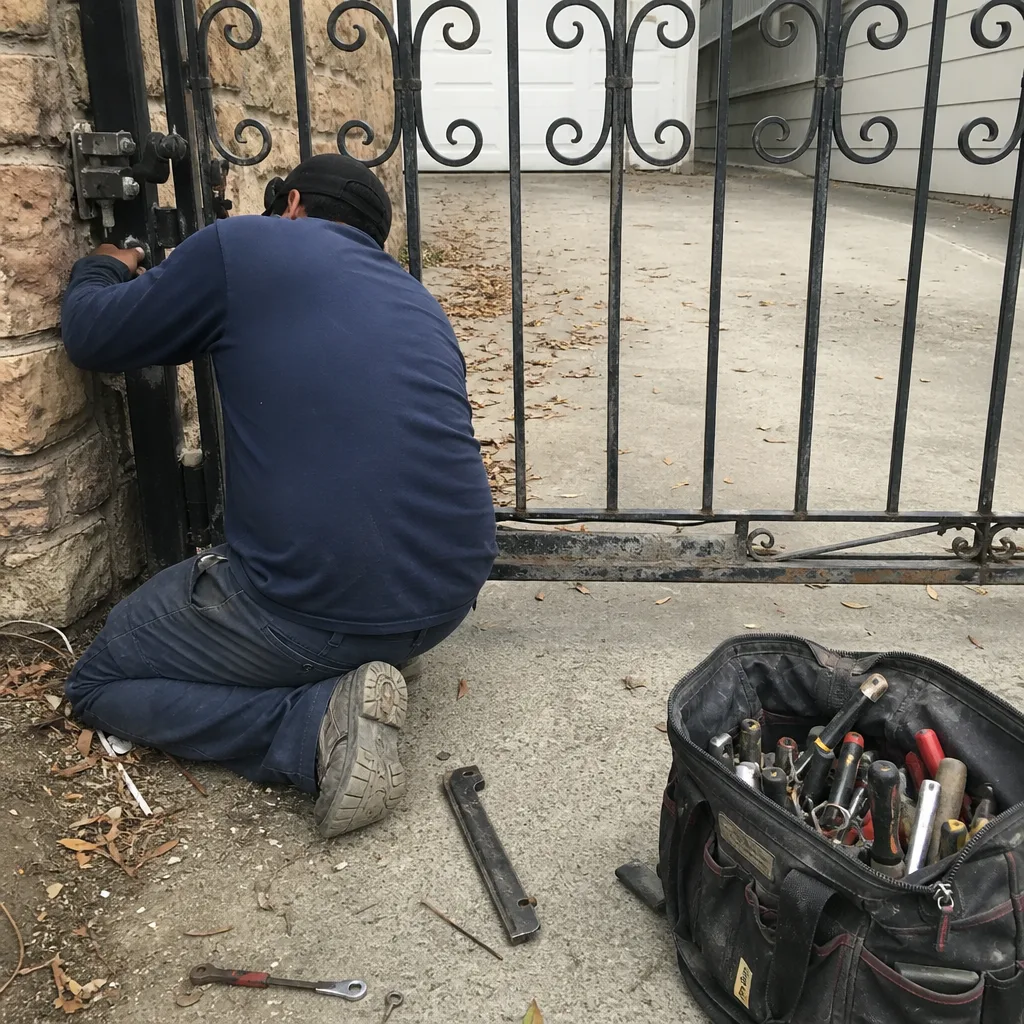 Before
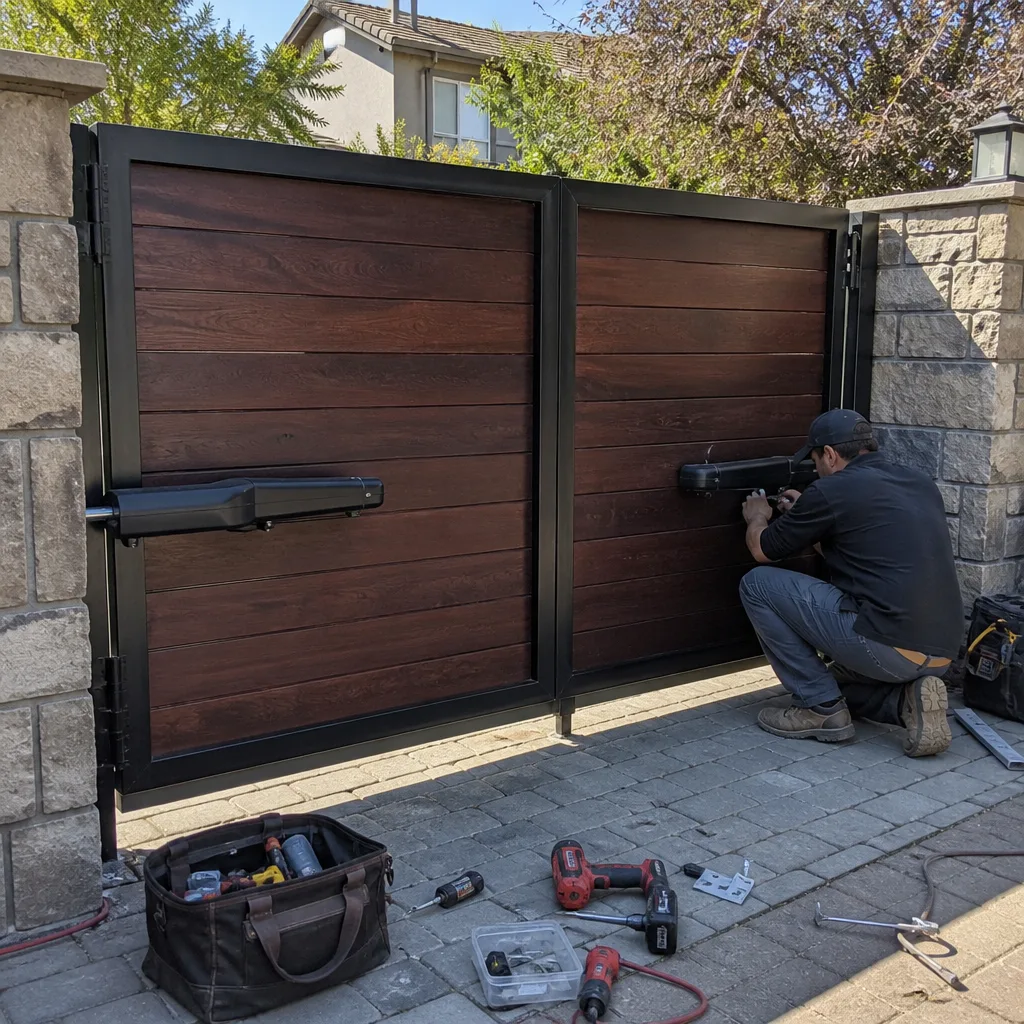 After
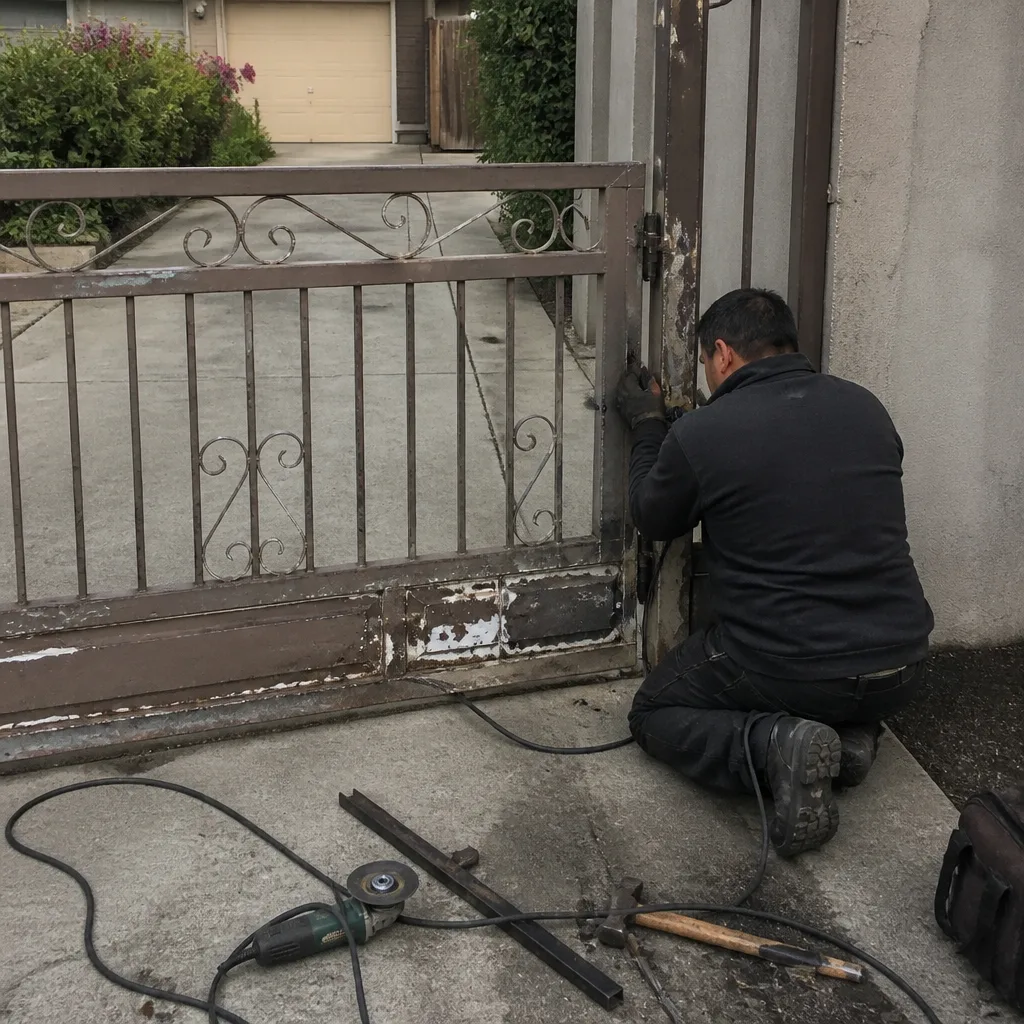 Before
 After
 Before
 After